Source Vertical Aquaculture Biofilters for Fish Farm, Pond, Aquarium
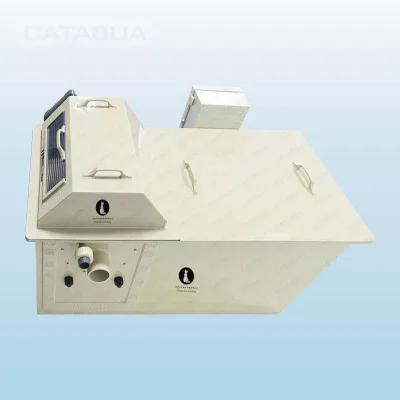
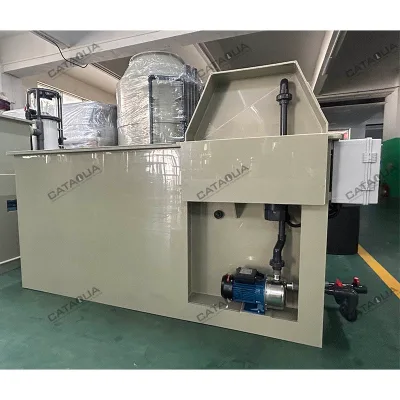
Compare 30 vertical aquaculture biofilters designed for fish farms, ponds, and aquariums. These units feature biological treatment methods with flow rates ranging from 2 to 25 cubic meters per hour and are available in materials like PP, UPVC, and FRP.
Key considerations
Products List




Comprehensive Sourcing Guide
Strategic Sourcing Guide for Vertical Aquaculture Biofilters
Selecting the appropriate vertical aquaculture biofilter is a critical decision for buyers in the industrial, agricultural, and home sectors. These systems are engineered to maintain water quality by facilitating biological treatment processes essential for fish farming and holding operations. The procurement process requires a rigorous understanding of technical specifications, material durability, and compliance standards to ensure the equipment meets the specific hydraulic and biological loads of the intended application. This guide outlines the essential factors for sourcing vertical biofilters, focusing on evidence-based criteria derived from current market offerings.
Technical Specifications and Hydraulic Capacity
The primary differentiator among vertical biofilters is their hydraulic capacity, which dictates the volume of water the system can process per hour. Buyers must align the filter's flow rate with the total water volume of their facility to prevent hydraulic overload or underutilization. Market data indicates a wide range of capacities, with specific models offering flow rates of 2m³/Hr, 16m³/Hr, and 25m³/Hr. More advanced configurations provide design flows ranging from 8 to 42 cubic meters per hour, allowing for scalability across different pond sizes.
The physical dimensions of the unit are equally critical for installation planning. Standard footprint dimensions observed in the market include configurations such as 950450600mm, 1500700900mm, and larger industrial units measuring 2000800900mm. The internal diameter of the filter vessels also varies significantly, with options ranging from 40mm to 1200mm, directly influencing the surface area available for bacterial colonization. Furthermore, the height of the filter, which affects the residence time of water within the media, ranges from 660mm to 1335mm depending on the model.
When evaluating models, buyers should note that specific product lines, such as the DST series, offer distinct characteristics like multi-chamber filtration, while others, such as the WL-BFG series, are designed with specific filter diameters and heights to match varying pond sizes. The selection of the correct model, whether designated as DST-02, DST-04, or DST-05, depends heavily on the target water volume, which can range from 30 tons to 50 tons per cycle, or even higher for large-scale aquaculture projects.
Material Composition and Durability Standards
The longevity and safety of a biofilter are intrinsically linked to the materials used in its construction. The market offers a variety of materials, each suited to different environmental conditions and water quality requirements. Polypropylene (PP) is a common material, often selected for its resistance to corrosion and chemical stability. In some configurations, the material is specified as Non-Toxic Food Grade PP or PVC, ensuring that the filter does not leach harmful substances into the water column, which is vital for fish health.
High-density polyethylene (HDPE) is another prevalent material, with specific grades noted as 100% White Virgin HDPE. This material offers a density range of 0.96-0.98g/cm³, providing excellent structural integrity and resistance to impact. For larger industrial applications, Fiberglass Reinforced Plastic (FRP) or FRP (Fiberglass) is frequently utilized. This material provides superior strength-to-weight ratios and is often used in models like the WL-BFG series. The choice between UPVC, PP, and FRP should be guided by the specific chemical environment of the water and the mechanical stress the unit will endure.
Buyers must verify the material specifications against their operational needs. For instance, while PP is suitable for general filtration, FRP may be preferred for high-pressure or large-diameter applications. The internal components, such as the media support, must also be compatible with the chosen shell material to prevent degradation over time.
Compliance, Certification, and Safety Protocols
In the global aquaculture market, compliance with international standards is a non-negotiable aspect of procurement. Buyers should prioritize suppliers who can demonstrate adherence to recognized quality management systems. Evidence suggests that many vertical biofilters are manufactured under ISO9001 certification, which indicates a commitment to consistent quality control processes. Additionally, CE certification is often present, signaling compliance with European health, safety, and environmental protection standards.
Safety is paramount, particularly regarding the materials in contact with the water. The use of non-toxic, food-grade materials is a critical safety feature that must be verified. Buyers should request documentation confirming that the PP or PVC components meet food-grade standards to ensure no toxic leaching occurs. Furthermore, the physical design of the filter, including the face type (Raised Face or Flat Surface), should be evaluated to ensure it meets the specific piping and connection requirements of the facility.
While specific test results for individual units may vary, the presence of certifications like ISO9001 and CE provides a baseline assurance of the manufacturer's capability to produce reliable equipment. Buyers should also inquire about the origin of the products, as many high-volume biofilters are manufactured in China, a major hub for aquaculture equipment. Verifying the origin helps in assessing logistics, lead times, and the availability of after-sales support.
Cost Drivers and Procurement Economics
The pricing of vertical aquaculture biofilters is influenced by a complex interplay of factors, including material costs, manufacturing complexity, and customization requirements. The observed market price range is extensive, spanning from approximately $2 to $9,376.84. This variance reflects differences in scale, from small home aquarium units to large industrial systems capable of handling significant fish loads.
The minimum order quantity (MOQ) is another economic factor to consider. Suppliers may offer flexible MOQs ranging from 1 unit to 30 units, allowing buyers to scale their procurement based on immediate needs or long-term expansion plans. Customization is a significant cost driver; while many models are available as standard units, options for custom dimensions, flow rates, or material upgrades can increase the unit price.
Buyers should also account for packaging and shipping costs. Standard export packing often involves wrapping the unit in cotton and film, followed by placement in a wooden case to prevent damage during transit. For smaller units, box packaging may be sufficient. The weight of the unit, which can range from 110kg to 130kg for standard models, directly impacts freight costs. Understanding these cost drivers allows buyers to budget accurately and negotiate effectively with suppliers.
Typical Applications and System Integration
Vertical biofilters are versatile and serve a broad spectrum of applications, including industrial, agricultural, home, and hospital settings. In the aquaculture sector, they are specifically designed for fish farming and fish holding operations. The integration of these filters into existing systems is crucial for optimal performance. Many models are designed to work seamlessly with other equipment such as sand filters, protein skimmers, air pumps, or blowers.
The biological treatment process within these filters relies on the surface area provided by the media. The media weight can vary significantly, ranging from 18kg to 325kg, depending on the model and the required filtration capacity. The fish load capacity, which indicates the maximum biomass the system can support, ranges from 20kg to 310kg in various configurations. This data helps buyers match the filter to their specific stocking densities.
For larger facilities, the pond size is a key consideration, with compatible systems available for ponds ranging from 6 cubic meters to 148 cubic meters. The ability to customize the flow rate and water volume capacity ensures that the biofilter can be tailored to the unique hydrological needs of the facility. Whether for a small home aquarium or a large commercial fish farm, the correct integration of the biofilter is essential for maintaining water quality and fish health.
Supplier Evaluation and Quality Assurance
Evaluating potential suppliers requires a focus on their technical capabilities, after-sales support, and production standards. A reliable supplier should offer engineers available to service machinery overseas, ensuring that technical issues can be resolved promptly regardless of the buyer's location. The availability of optional models and standard export packing indicates a mature supply chain capable of handling international logistics.
Quality control should be a central part of the supplier evaluation process. Buyers should verify that the manufacturer adheres to strict production standards and that the products undergo rigorous testing before shipment. The presence of certifications like ISO9001 and CE is a strong indicator of a supplier's commitment to quality. Additionally, the ability to provide detailed specifications, including dimensions, flow rates, and material compositions, demonstrates transparency and professionalism.
Buyers should also assess the supplier's flexibility regarding customization. The availability of optional models and the ability to tailor the filter to specific requirements are valuable attributes. When selecting a supplier, it is essential to review their track record in the aquaculture industry and their ability to deliver products that meet the specific needs of the buyer's operation.
Long-Term Procurement and Maintenance Considerations
Sourcing a vertical biofilter is not a one-time transaction but the beginning of a long-term relationship with the supplier. Maintenance and the availability of spare parts are critical for the longevity of the equipment. Buyers should inquire about the after-sales service provided, including the availability of engineers for overseas service and the supply of replacement media or components.
The design of the filter, such as the auto-clean drum feature found in some models, can significantly reduce maintenance requirements. However, even with automated features, regular inspection and cleaning are necessary to ensure optimal performance. The choice of material, such as FRP or HDPE, should be evaluated for its resistance to wear and tear over time.
In conclusion, the procurement of vertical aquaculture biofilters requires a comprehensive understanding of technical specifications, material properties, and supplier capabilities. By focusing on these key areas, buyers can make informed decisions that ensure the efficiency and reliability of their aquaculture operations. The market offers a wide range of options, from small home units to large industrial systems, allowing buyers to select the perfect solution for their specific needs.
FAQs
What flow rates are available for vertical aquaculture biofilters?
Available flow rates include 2m3/Hr, 16m3/Hr, and 25m3/Hr, with advanced models offering design flows from 8 to 42 cubic meters per hour. These capacities allow buyers to select units that match specific pond sizes and water volume requirements for fish farming operations.
Which materials are used to construct these biofilter units?
Units are constructed from Polypropylene (PP), UPVC, Fiberglass, or 100% White Virgin HDPE. Non-toxic food-grade PP or PVC is often used to ensure safety for fish, while FRP provides superior strength for larger industrial applications requiring high durability.
Can these biofilters be customized for specific water volumes?
Yes, customization is available for various water volumes ranging from 30 tons to 50 tons and beyond. Buyers can select models like DST-02, DST-04, or DST-05 to align with their specific facility needs and target fish loads.
What certifications do these biofilters typically hold?
Many vertical biofilters hold ISO9001 and CE certifications, indicating compliance with international quality and safety standards. These certifications assure buyers of consistent manufacturing processes and adherence to health and environmental protection protocols.
How are these units packaged for international shipping?
Standard export packing involves wrapping the unit with cotton and film, followed by placement in a wooden case. Smaller units may use box packaging, ensuring protection during transit regardless of the unit's weight or dimensions.
What after-sales services are provided for overseas buyers?
Engineers are available to service machinery overseas to ensure prompt technical support. This service helps maintain operational efficiency and resolves issues quickly, regardless of the buyer's geographic location or the scale of the aquaculture project.